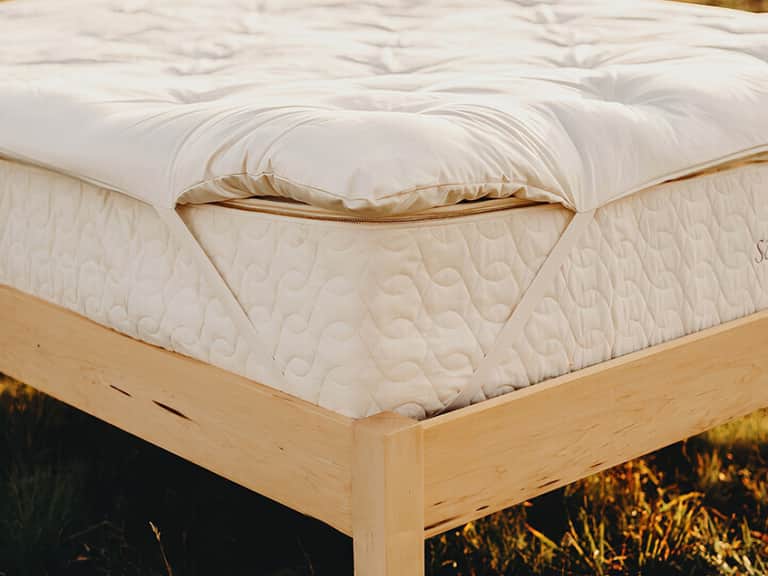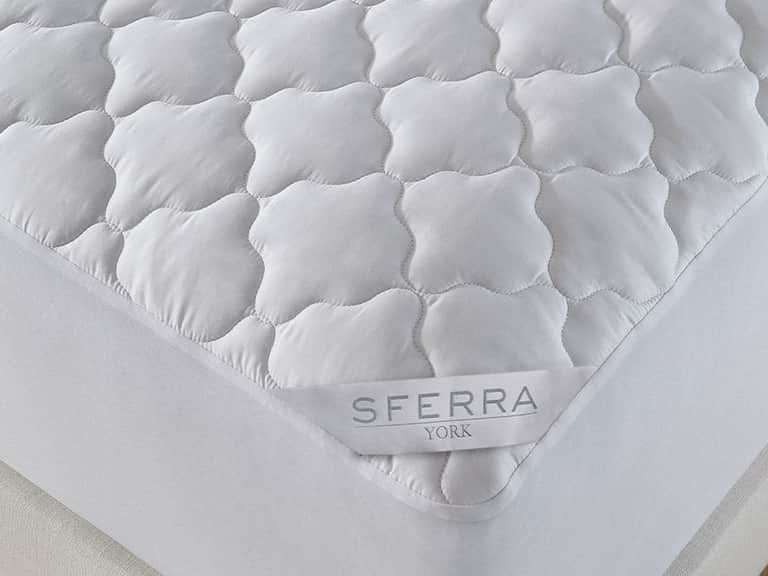
York Mattress Pad
Drift into cloud-like comfort with York’s breathable cotton loft and silky 300TC sateen skin feel, staying fluffy over time. Easy care, no clumping, and a soft, balanced support for dreamy, uninterrupted sleep.
A practical, evidence-informed guide to selecting organic crib mattresses, exploring materials, certifications, safety standards, and long-term usability through the lens of two leading brands.
In the quiet world of nurseries, the first sleep surface a baby encounters carries the weight of safety, comfort, and the quiet certainty that caregivers seek when they cradle a newborn into the night. The organic crib mattress stands at the intersection of materials science, pediatric guidance, and responsible manufacturing. As families navigate a marketplace crowded with options, two names frequently surface in conversations about chemical-free construction and transparent certification: Obasan and Naturepedic. Both brands anchor their products in organic materials, durable design, and independent safety disclosures, yet they diverge in approach, feel, and long-term lifecycle implications. This article examines a side-by-side comparison inspired by practical needs: safety certifications, core materials, firmness appropriate for infants, care considerations, and how each mattress supports the cradle-to-toddler transition.
When evaluating organic crib mattresses, several non-negotiables anchor any trustworthy choice. Foremost is the avoidance of off-gassing and toxic flame retardants, achieved through the use of natural barriers or inherently flame-resistant natural materials. Certifications provide a critical map for parents: GOTS (Global Organic Textile Standard) confirms organic textile processing from fiber to finished fabric, while GOLS (Global Organic Latex Standard) attests to organic latex production. A clear, well-documented fire barrier that relies on natural ingredients rather than halogenated compounds is equally essential. Beyond certifications, the structural integrity of the core—whether latex, coconut coir, or other supportive substrates—must deliver firm, even support and maintain shape without sagging as the baby grows.
Obasan’s Organic Crib Mattress is a study in all-natural construction. Handcrafted in Canada, it employs GOTS- and GOLS-certified organic Dunlop latex, coconut husk, and cotton. The choice of Dunlop latex provides a resilient, supportive core with a consistent firmness suited to infant sleep. The coconut husk base offers a natural firmness and breathability that helps with temperature regulation, a factor clinicians emphasize for infant comfort. A moisture-wicking wool layer contributes to temperature balance, aiding in both warmth in cooler nights and heat dispersion during warmer periods. The cover, a breathable organic cotton fabric, is designed for gentle laundering while preserving the structural integrity of the core beneath. The mattress is designed to fit standard North American cribs (28" x 52") and measures approximately 4.5 inches thick, a profile that aligns with common crib safety guidelines. It includes an all-natural fire barrier, which stands in for chemically treated setbacks found in some other products. The barrier is carefully integrated to minimize risk of chemical exposure while still maintaining a high standard of fire resistance. The Obasan product page emphasizes a 10-year limited warranty, signaling durability and confidence in performance over time. Beyond the core elements, Obasan encourages proper setup and maintenance to maximize longevity. Their care guidance—airing out the mattress, protecting with a wool moisture pad, and spot-cleaning the outer cover—speaks to a philosophy of maintaining natural materials in a nursery environment. This approach reflects a broader trend toward non-toxic, low-toxicity sleep surfaces for infants and toddlers.
Naturepedic’s Lightweight Organic Cotton Crib Mattress emphasizes a different route to safety and simplicity. This model is designed with a seamless waterproof surface, a feature that simplifies cleaning and helps prevent mold growth in a nursery setting. The waterproof layer is constructed with a polyethylene barrier that remains free from latex, wool, or synthetic foams, aligning with parents seeking a purely organic or near-organic approach. The core of Naturepedic’s design relies on certified organic cotton for the outer layers, paired with a non-toxic fire barrier that adheres to stringent federal and state flammability standards without using potentially harmful chemicals. The product offers a light, manageable weight typically around 10 to 12 pounds, which can ease handling for caregivers during diaper changes and nursery setup. Naturepedic’s wavesupport technology provides structural resilience, supporting infant sleep while avoiding foam-based cores. The finish and construction are intended to deliver a stable, even sleeping surface necessary for the earliest months of development, while maintaining the ease of care that modern households require. In practice, parents weighing Naturepedic’s option may appreciate the blend of organic cotton and a clean barrier system, as well as the practical benefits of an easily maintained surface. The 2-stage options, where available, may guide the transition from infant to toddler, though some models stay lightweight with a single, firm surface suitable for crib use.
Both Obasan and Naturepedic embed certifications that help families verify organic content and safety standards. GOTS is a common thread, confirming that textiles used in the outer fabric meet organic processing norms. GOLS, when present, provides assurance about latex content and production. For families with concerns about chemical exposure and flame retardants, the presence of a non-toxic fire barrier—preferably plant-based or mineral-based—and a clear disclosure of materials used in the barrier are crucial. A gardener’s patience for care routines translates here into a nursery plan: understand laundering needs, protect against moisture, and avoid harsh cleaners that can degrade organic fabrics over time. Care is not merely about keeping a mattress clean; it is about maintaining the integrity of the core materials. Organic cotton surfaces with robust quilting, moisture-wicking natural wool, or coconut husk substrates require mindful handling to prevent premature sagging or compression. The York Mattress Pad, though not a crib-specific product, offers a useful parallel in layering for enhanced loft and comfort. In a nursery context, a well-chosen mattress pad can complement the organic core by providing a breathable, washable surface that extends the life of the mattress while maintaining an appropriate firmness level for infants.
York Mattress Pad is a luxurious, down-alternative topper designed to add loft without compromising the firmness needed in a crib-adjacent setup. It features 100% cotton fill and a 300TC cotton sateen cover, delivering a smooth surface with balanced cushion. While not a crib-specific product, a well-fitted pad can elevate a sleeping environment by offering breathable softness that is easy to clean and maintain.
Materials: 100% cotton fill; 300TC cotton sateen; machine washable with careful handling
Care: Machine wash cold on gentle; avoid agitation-rich cycles; tumble dry low with tennis balls to prevent clumping
Price: $295.00
Beyond the immediate safety considerations, organic crib mattresses reflect a broader commitment to environmental stewardship and long-term health. Organic farming standards reduce synthetic pesticide exposure and support soil health, while certification processes help families verify that the materials used in the outer fabrics meet stringent criteria. In nurseries, where babies spend a significant portion of their early months, a mattress that minimizes chemical exposure can be a foundational element of a healthy sleep environment.
In a broader historical arc, the evolution of crib mattresses mirrors shifts in consumer awareness and pediatric guidance. The move toward natural materials and transparent sourcing aligns with a longer narrative about indoor air quality, allergen exposure, and the design of safe, nurturing spaces for infants and families.
In this focused comparison, both Obasan and Naturepedic offer compelling paths to safer infant sleep through organic materials and transparent construction. Obasan emphasizes a multi-material organic core—Dunlop latex, coconut husk, and wool—with careful attention to a breathable cover and a non-toxic fire barrier. Naturepedic, by contrast, foregrounds a simpler, user-friendly approach with a seamless waterproof surface and an organic cotton-based core. The choice between them may come down to a family’s priority: a traditional, all-natural layering and a strong emphasis on a breathable environment (Obasan) versus a streamlined cleaning routine and a waterproof barrier that minimizes moisture-related concerns (Naturepedic). Practical considerations include crib compatibility, portability, and care routines. No matter the brand, parents should verify that the mattress fits snugly in the crib with no gaps, confirm that the fire barrier meets safety standards without chemical off-gassing, and examine the long-term durability of the materials. The ability to clean the mattress surface easily without compromising core integrity is a particularly important factor for nursery settings.
Ultimately, the healthiest sleep environment for a baby is one crafted from materials that have clear, trustworthy certificates, transparent manufacturing practices, and designs that prioritize a balanced, stable sleep surface. The Obasan and Naturepedic options provide concrete pathways toward that ideal, and the decision becomes a personal one grounded in caregiving values, nursery layout, and the rhythms of daily life in the home.
Name: York Mattress Pad
Description: Luxury down-alternative with 100% cotton fill and 300TC cotton sateen cover. Enhances loft and surface comfort while remaining easy to launder.
Price: $295.00
Note: Suitable as an additional surface layer for adult beds or a separate play surface; not a crib mattress!
This article is inspired by the domain analysis framework for 406mattress.com and engages with the broader themes of sleep science, mattress technology, and the evolution of organic bedding. The content reflects a non-commercial, educational intent while incorporating practical product examples to illustrate real-world choices.